
You can also add to your health journal encourading news about advances in the prostate cancer management. Here are some of them:
Niraparib reduces prostate cancer progression by 48%
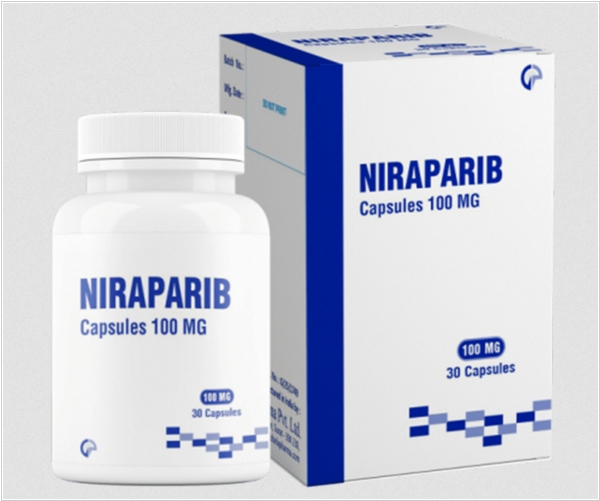
In 2025 scientists from University College London presented results of a phase 3 clinical trial of standard hormonal treatment for prostate cancer in combination with niraparib, a targeted anti-cancer therapy designed to inhibit the PARP enzyme, which is involved in DNA repair in cancer cells. The study involved nearly 700 men from 32 countries with advanced prostate cancer. After 30 months, treatment reduced the risk of cancer progression by 48% in patients with BRCA1 or BRCA2 mutations. "These results are striking because they support the need for broad genomic testing at diagnosis, using targeted therapy, for patients who can benefit the most," the authors concluded.
TULSA-Pro ultrasound treatment technology for prostate cancer has proven long-term effectiveness.
TULSA-Pro is an outpatient ultrasound-based cancer treatment from the Canadian company Profound, approved by the FDA in 2019. It destroys prostate cancer tissue using ultrasound heating. Doctors use MRI to guide the robotic procedure, and a cooling catheter inserted into the rectum reduces the thermal impact on nearby tissue. Recovery is typically faster than with surgery or radiation therapy. It is intended primarily for men with low- and intermediate-risk, non-advanced prostate cancer. In a study of middle-aged and older men with low- and intermediate-risk prostate cancer treated with TULSA-Pro, 96% of participants experienced a 75% or greater reduction in PSA levels within a year, 25% developed new erectile dysfunction (ED) issues, and 11% reported urinary leakage or incontinence. Three years after treatment, 13% required additional prostate cancer treatment, but none had significant erectile dysfunction and 99% did not require incontinence pads. Meanwhile, according to the Prostate Cancer Foundation, 25–33% of men who undergo standard surgery or radiation therapy experience cancer recurrence.
Roche discontinued its prostate cancer drug
For several years, Swiss pharmaceutical giant Roche had been trying to get its prostate cancer drug Ipatasertib through clinical trials, but the project ultimately ended in failure in 2023. The drug failed to show acceptable results in Phase 3, and the company decided to abandon it. Ipatasertib is an inhibitor of the AKT protein, which is part of a signaling pathway involved in the progression of prostate cancer and other tumor types. The drug was developed in collaboration between the startup Array BioPharma and Roche's Genentech division.
Intense focused ultrasound used to treat prostate cancer

Focal therapy - partial destruction (ablation) of the prostate glands - is becoming increasingly popular for treating prostate cancer. At Memorial Sloan-Kettering Cancer Center in the United States, a team of doctors led by Behfar Ehdai created an advanced version of focal therapy based on high-intensity ultrasound guided by an MRI machine. A major success for oncologists was the completion of phase 2 clinical trials of the new approach in 2022. This minimally invasive method has shown good results and has helped many patients - men diagnosed with prostate cancer, for whom the risk of complications was assessed as average. MRI-guided ultrasound has proven successful in monitoring the progression of the disease and avoiding many side effects associated with standard therapy. These are most often problems with urination and sexual function. So, perhaps soon prostate cancer will be treatable without surgery, chemotherapy or radiation therapy and even on an outpatient basis. The patient comes to a clinic, undergoes the procedure and goes home the same day.