
You can also add to your health journal encourading news about advances in the parkinsons disease management. Here are some of them:
Cell therapy significantly improved the condition of patients with Parkinson's disease.

Molecular biologists from Sweden's Lund University in 2026 showed in the first two phases of clinical trials of cell therapy for Parkinson's disease that injections of neuronal "preforms" grown from embryonic stem cells are well tolerated by patients, and their introduction into the brains of patients allowed half of the volunteers to significantly reduce their drug dosage. As a result, the activity of dopamine neurons in the patients' brains increased by 3-15% depending on the dose of injected cells, which allowed half of the volunteers to reduce their dosage of levodopa, a medication used to suppress the characteristic symptoms of Parkinson's disease, by 15-27%. This gives hope that further development of cell therapy will make it possible to suppress this disease in a large number of patients, the scientists concluded.
Stem cell therapy reduces tremors in Parkinson's patients
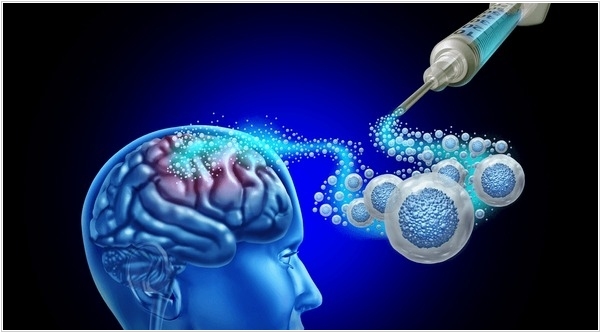
Parkinson's disease is associated with the death of dopamine-producing neurons and is accompanied by tremors, stiffness and slowed movement. As of 2025 there is currently no cure but a new study, conducted in the US and Canada, offered hope. It involved 12 patients. Scientists grew neural cells from embryonic stem cells and injected them into a region of the brain involved in motor function, where neurons often die because of Parkinson's disease. The patients took immunosuppressants for a year to prevent rejection. Brain scans showed increased dopamine production, with the improvement persisting for 18 months after the procedure. Despite the encouraging results, experts emphasize the need for larger studies to confirm the effectiveness of these methods.
In Sweden the first patient received stem cell treatment for Parkinson's disease.
In 2023 at Lund Hospital in Sweden, the first patient has undergone a successful stem cell transplant into the brain to treat Parkinson's disease. The cell therapy was expected to restore lost dopamine neurons in the brain, thereby correcting symptoms, halting disease progression, and even reversing it. A total of eight patients, who had been living with the disease for at least ten years at the time of transplantation, received the experimental treatment as part of pilot clinical trials. Scientists intended to evaluate the therapy's impact on progressive symptoms and the overall progression of the disease. Observation continued for several years to evaluate the safety and effectiveness of the approach.
Experimental drug effectively stoped Parkinson
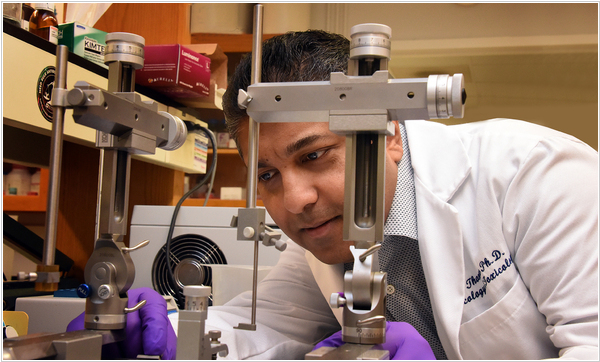
In Parkinson's disease, dopamine-producing neurons die, contributing to the development of motor impairments in patients. In 2021 scientists at the Medical University of South Carolina, led by Bobby Thomas, discovered the Bach1 protein, which can lead to neurodegeneration and the Nrf2 protein, which activates the expression of 250 genes that play a key role in protecting neurons from inflammation and oxidative stress. Then (in collaboration with vTv Therapeutics) they created an experimental drug that suppresses Bach1 and activates Nrf2. In mouse models, the new drug demonstrated effectiveness in reducing symptoms by activating antioxidant genes and suppressing those that promote inflammation.
A neuroimplant powered by magnetic field energy created
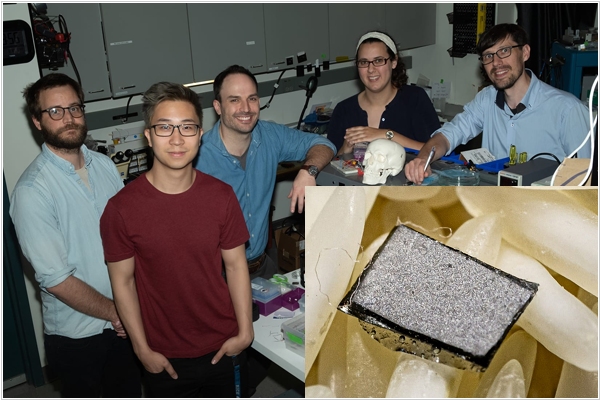
Modern implantable neurostimulators are battery-powered, meaning they need to be replaced periodically (which means surgery). Scientists at Rice University, led by Jacob Robinson, in 2020 created a neural implant that generates energy from a magnetic field (meaning the battery can be attached behind the ear, for example). The current is generated using a two-layer film. One layer (metal) vibrates in a magnetic field, while the second (piezoelectric) generates the current. Without a battery, the implant can be made very small - smaller than a grain of rice - and this will allow it to be implanted into the brain through blood vessels (rather than drilling into the skull). Miniature brain stimulation implants could be used to treat Parkinson's disease, epilepsy, depression, chronic pain and other conditions.