
You can also add to your health journal encourading news about advances in the hypertension management. Here are some of them:
Baxdrostat, a drug for resistant hypertension approved in US

In 2026 FDA approved new drug Baxdrostat (from AstraZeneca), which significantly reduced blood pressure in patients with resistant hypertension during clinical trials, and also helped achieve a sustained reduction in systolic pressure. Baxdrostat belongs to a new class of drugs that inhibit the enzyme aldosterone synthase. The hormone aldosterone regulates sodium and water retention in the body and contributes to high blood pressure. Excess activity of this hormone is believed to be one of the key causes of difficult-to-control hypertension. Baxdrostat is also currently being studied in other clinical trials as a potential treatment for chronic kidney disease, heart failure, and primary aldosteronism.
AstraZeneca's new hypertension drug set new benchmark for effectiveness

AstraZeneca's antihypertension drug, Baxdrostat - lowered blood pressure by 14 mmHg in 12 weeks, according to the results of phase III clinical trials in 2025. Baxdrostat's half-life is 26–30 hours, while the best drug (currently available)—lorundrostat (Mineralys Therapeutics)—has a half-life of 10–12 hours. AstraZeneca, which paid $1.3 billion upfront in 2023 for CinCor Pharma, the developer of Baxdrostat, conducted a phase III trial, Bax24, to confirm its position that its long half-life represents a significant competitive advantage. The study involved 218 patients with treatment-resistant hypertension who were assigned to receive either Baxdrostat or placebo in addition to standard therapy.
Roche's RNA drug against hypertension has completed phase 2 trials.

Roche's bet on the blood pressure drug Zilebesiran, which the company acquired from Alnylam, looked to pay off in 2024. According to the results of a large-scale, three-month phase II clinical trial involving 672 patients with mild to moderate hypertension, patients taking the drug in combination with one of three already approved hypertension drugs (Pfizer Norvasc, Daiichi Benicar and indapamide) showed a statistically significant reduction in systolic blood pressure, as assessed by 24-hour ambulatory blood pressure monitoring during a three-month follow-up. Zilebesiran also demonstrated an encouraging safety and tolerability profile.
Orchestra BioMed treats hypertension with a pacemaker
Hypertension is typically treated with medications, which can cause side effects and lose effectiveness over time. In 2019 Orchestra BioMed has received European certification for its technology for treating hypertension using a conventional pacemaker – BackBeat. Of course, this will primarily interest people who already have a pacemaker, but it can also be useful for those with severe hypertension whose medications are no longer effective. Using BackBeat software, the pacemaker automatically calms the heart rhythm to quickly lower blood pressure. Moreover, (according to the developer), this artificial reduction in pressure modulates the autonomic nervous system and allows for long-term reductions in systolic pressure by up to 23.4 mmHg.
Aktiia - a blood pressure monitoring bracelet
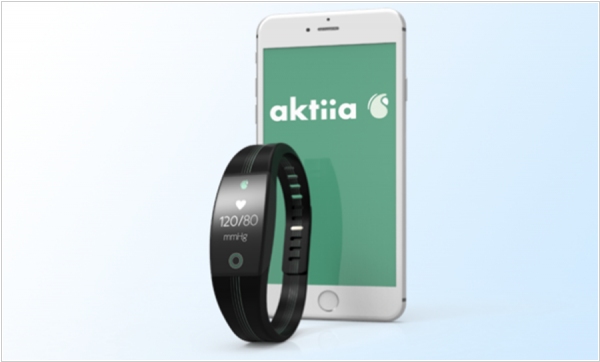
People with hypertension are forced to constantly carry a bulky blood pressure monitor and measure their blood pressure to detect the onset of a crisis. But wouldn't it be great to wear a bracelet instead, one that constantly measures blood pressure and even warns when dangerous levels are reached and medication is needed? Swiss startup aktiia has invented such a bracelet in 2018. It measures blood pressure using optical sensors that determine the speed of blood flow in veins at several points. The creators say this is exactly how blood pressure is measured in astronauts' spacesuits. To ensure accurate measurements, the bracelet must first be calibrated for a specific person - this is done in a clinic using a professional blood pressure monitor. Subsequently, the accuracy of the measurements will be approximately the same as that of traditional cuff blood pressure monitors (this has been confirmed by clinical trials).
A miniature implant helps lower blood pressure in hypertension
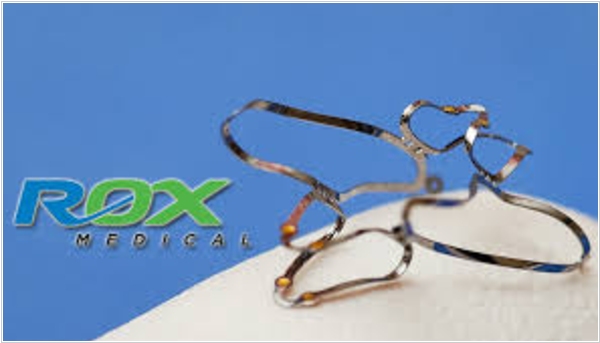
Hypertension remains one of the most dangerous diseases (as of 2015) and doctors have not yet learned how to effectively treat it without medication (which causes side effects). Currently, they are trying to lower blood pressure with a neurostimulator. Another hope is a new implant from the American company ROX Medical. It is installed in the upper thigh and works as a connecting tube between the iliac artery and iliac vein. Due to the fact that some of the blood flows through it, the pressure drops. Implantation takes 40 minutes and is performed only under local anesthesia. Doctors conducted a trial on 83 patients and, on average, they managed to reduce blood pressure by 26/9 mmHg.