
You can also add to your health journal encourading news about advances in the diabetes management. Here are some of them:
Scientists have transplanted CRISPR-edited pancreatic cells into a diabetic patient for the first time.

Transplantation of pancreatic cells (the islets of Langerhans) is the only way for patients with type 1 diabetes to avoid dependence on constant insulin injections. However, this transplantation typically triggers an immune response and requires immunosuppressants with all the attendant side effects. Scientists from the American company Sana Biotechnology decided to use CRISPR gene editing technology to deactivate certain genes and protect donor cells from the recipient's immune attack. The first patient with type 1 diabetes has already received this experimental treatment in 2025. After transplantation of the islets of Langerhans, the cells produced insulin for several months without causing rejection. The scientists' ultimate goal is to apply the technology to stem cells and direct them to develop insulin-producing cells.
FDA has approved the world's first drug to prevent type 1 diabetes, teplizumab.
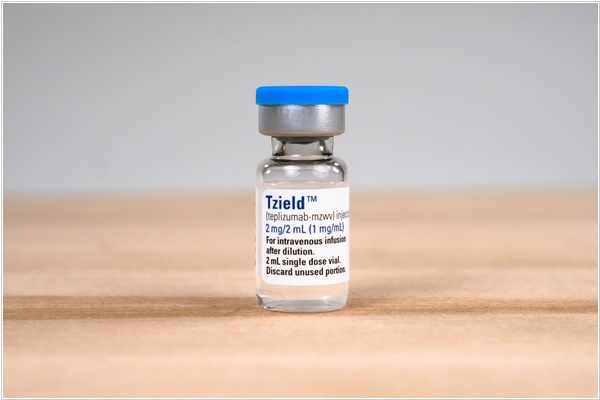
In 2022 FDA has approved the world's first drug for the prevention of type 1 diabetes in children and adults. Teplizumab (by Provention Bio) is a recombinant drug based on monoclonal antibodies against the CD3 lymphocyte receptor. The drug is intended for intravenous administration, the treatment course lasts two weeks. The cost of such a course, according to the manufacturer's representatives, will be about two hundred thousand dollars. The drug has proven its effectiveness, but it is not 100% effective. In a study with a four-year follow-up period, teplizumab reduced the risk of developing clinically overt diabetes by 2.5 times. Judging by separate seven-year observations, one course of treatment delays the manifestation of the disease by 2-3 years.
Novo Nordisk successfully completed trials of once-weekly insulin
In 2022 Danish pharmaceutical company Novo Nordisk has acquired the "final piece of the puzzle" to submit its next-generation insulin Icodec for FDA and European Commission approval next year. Clinical trials of Icodec have been ongoing for over three years and consisted of six parts, the last of which was recently completed. The results showed that once-weekly administration of Icodec provides at least the same glucose levels in patients with type 2 diabetes as daily injections of regular insulin. The benefits of such a drug are obvious: fewer injections, less chance of forgetting to take an injection on time and cost savings (since less insulin will be needed).
Eli Lilly released Mounjaro, a blockbuster treatment for type 2 diabetes.
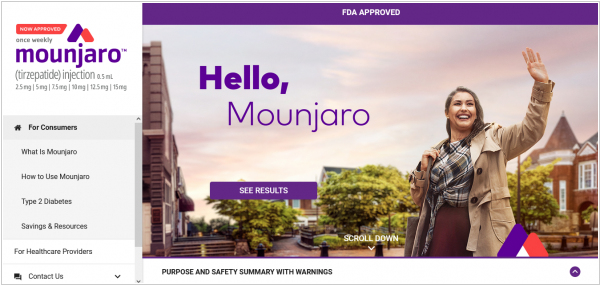
The results of clinical trials of the drug against type 2 diabetes (and the accompanying obesity) Mounjaro (tirzepatide) were so successful that in 2022 Eli Lilly said that it will be the most successful (financially) drug in history. The main problem for the pharmaceutical company was creating sufficient production capacity to meet the increased demand. The drug was supplied primarily to the United States and the European Union. Comparing tirzepatide with other drugs, semaglutide and insulin, doctors found that it achieves the target indicators faster – reducing weight and glucose (glycated hemoglobin) levels in the blood. Various dosages were evaluated: 5, 10, and 15 mg. Tirzepatide achieved the target indicators approximately 4 weeks earlier than semaglutide and 4-12 weeks earlier than insulin.