
You can also add to your health journal encourading news about advances in the brain cancer management. Here are some of them:
GRACE implant will try to stop glioblastoma with electric field
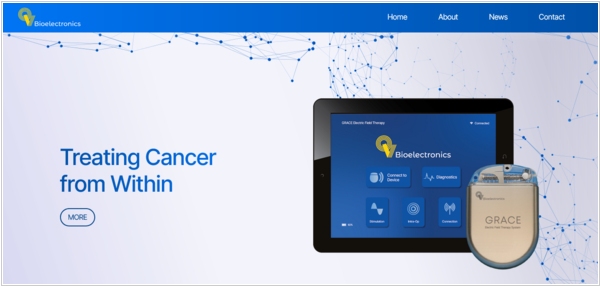
British startup QV Bioelectronics in 2025 has created the GRACE implant for the treatment of brain tumors (with an initial focus on glioblastoma). The pacemaker-like device is inserted during surgery and uses electrodes to generate a continuous, precisely targeted electrical field that disrupts cancer cell division without damaging healthy tissue. GRACE delivers therapy directly to the tumor-causing area of the brain. By focusing electrical fields on dividing tumor cells, treatment is localized to the cancer site and reduces impact on the rest of the brain. The implant requires minimal external devices, allowing patients to remain active, independent and connected to their favorite activities.
CAR-T therapy helped achieve 18-year remission in a patient with neuroblastoma
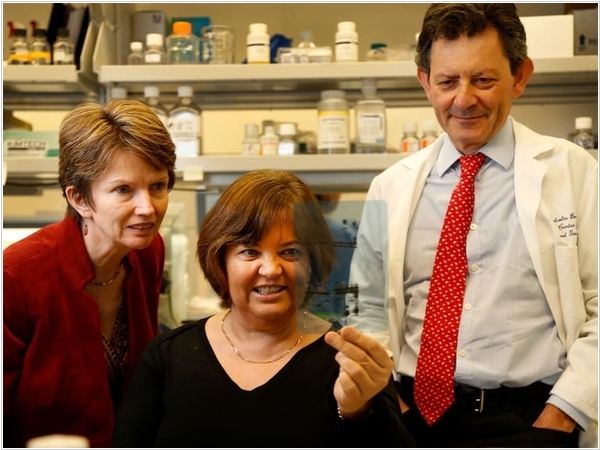
Helen Heslop and colleagues from Texas Children's Hospital in 2025 published the results of a clinical trial of CAR-T therapy, which included 19 children with neuroblastoma. The study was conducted between 2004 and 2009, and the patients' condition was then monitored for almost twenty years. Twelve of the 19 patients died between two months and seven years after treatment. The remaining five were alive at the time of the last examination, that is, at least 13 years after treatment. Moreover, one of the study participants has already lived 18 years after receiving CAR-T therapy, giving birth to two healthy children during her remission. According to doctors, this woman has been in remission for the longest time of any patient ever to receive CAR-T therapy.
For the first time, CAR-T therapy has cured aggressive brain cancer
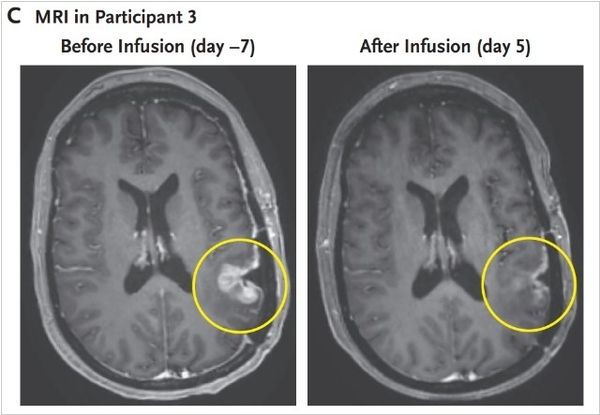
Two teams of scientists from Massachusetts General Hospital and the University of Pennsylvania in 2024 presented the results of pilot clinical trials of CAR-T therapy against glioblastoma, an aggressive brain cancer with a median survival of eight months. CAR-T therapy involves injecting modified T cells from the patient, which, upon entering the body, specifically attack the target. For several years, scientists have been working to create CAR-T cells that target molecules in glioblastoma. Currently, researchers have recorded remission or halted disease progression in some patients. While there are cases of relapse, this is the first time scientists have observed this tumor responding immediately (as early as the second day) to treatment. The scientists now plan to continue observations to assess the likelihood of relapse over the long term. Expanding the number of targets may enhance the effect.
New therapy showed promising results in the treatment of glioblastoma
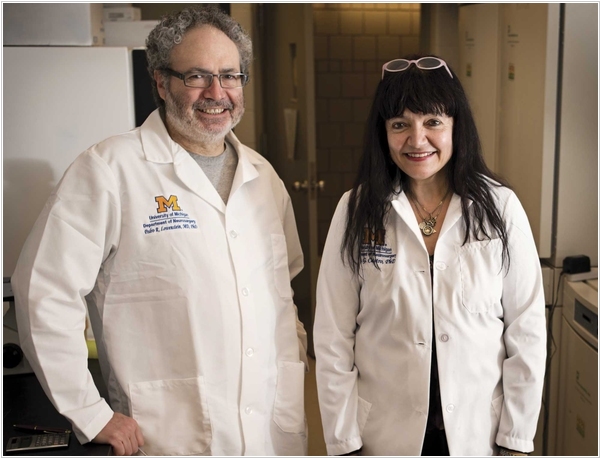
Scientists Pedro Lowenstein and Maria Castro from the Michigan Rogel Cancer Center in 2021 developed a combination therapy that resulted in complete regression of glioblastoma (a brain tumor) in mice in 60% of cases. They supplemented traditional chemotherapy and radiation therapy with a drug that suppresses levels of a protein that malignant cells use to camouflage themselves from the immune system. The therapy promoted the development of immune memory: T cells now targeted a specific tumor and were ready to attack again if it regrows. This is a very important result, since the risk of glioblastoma recurrence is very high.
Scientists developed method for delivering drugs to brain with millimeter precision
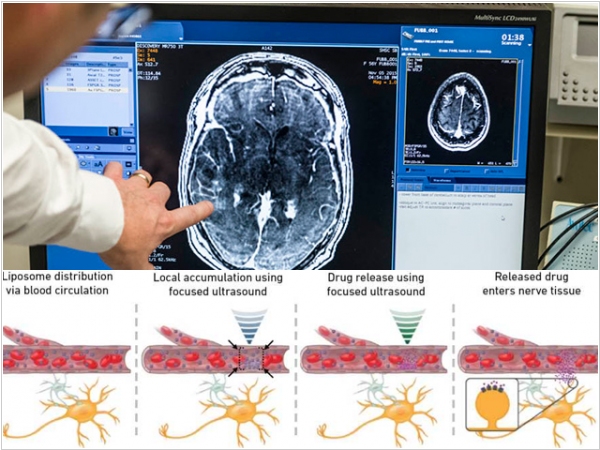
Chemotherapy is rarely used to treat brain tumors because it requires a very high dose to cross the blood-brain barrier, which can kill the body before the tumor does. Scientists from ETH Zurich in 2020 developed a method for delivering drugs directly to brain with millimeter-precision. The drug is packaged in special carriers made of lipid vesicles that are attached to ultrasound-sensitive gas-containing bubbles. These are injected into the bloodstream and then, upon reaching the brain - are released using ultrasound. The technology has already proven effective in animal models. In these experiments, scientists used a dosage 1,300 times lower than usual.