
You can also add to your health journal encourading news about advances in the anemia management. Here are some of them:
FDA approved first cell therapy for severe aplastic anemia
In 2025 FDA has approved the first cell therapy for severe aplastic anemia. Omisirge, developed by Gamida Cell, is hematopoietic stem cells derived from unrelated donor umbilical cord blood and enhanced with nicotinamide to maintain stem cell function, stimulate self-renewal and accelerate engraftment in the recipient's bone marrow. It is already used in hematopoietic oncologies in patients as young as 12 years old. For severe aplastic anemia (a severe suppression of all hematopoietic lineages) it is approved for use in patients as young as six years old. In clinical trials, hematopoietic stem cells engrafted in 94% of patients with severe aplastic anemia and the absence of a suitable donor, providing rapid (median time of eight days) restoration of neutrophil counts; all of these patients survived.
UK approved world's first CRISPR therapy for two blood diseases
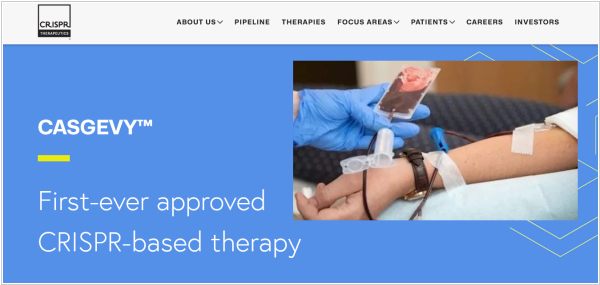
UK's Medicines and Healthcare products Regulatory Agency (MHRA) in 2023 approved Casgevy (CRISPR Therapeutics), the world's first gene therapy for sickle cell disease and beta thalassemia, for patients aged 12 and older. Sickle cell disease and beta thalassemia are genetic disorders caused by errors in the hemoglobin genes. According to the regulator, Casgevy is the first licensed drug to use the innovative gene-editing tool CRISPR, for which its inventors were awarded the 2020 Nobel Prize. This therapy could eliminate the need for ongoing treatment for years, potentially a lifetime. In trials, 97% of patients (28 people) experienced relief from pain associated with the disease for a year.
Patient was cured of anemia using CRISPR.
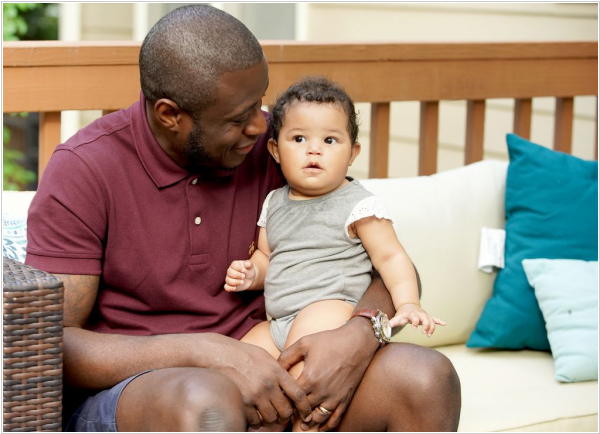
In 2022 Jimi Olaguer was cured of the devastating genetic disorder sickle cell anemia with CRISPR-based gene therapy. His pain has disappeared, and he hasn't been hospitalized since. Sickle cell anemia is caused by a mutation in the gene for hemoglobin, the protein that carries oxygen in the blood. To address this, scientists collected Olaguer's blood, used CRISPR to turn on the production of so-called fetal hemoglobin, the protein we all make as babies, and then reinfused the blood cells back into his body. Crispr Therapeutics and Vertex Pharmaceuticals, the companies that produced the infusion that cured Olaguera, plan to submit their CRISPR therapy to the FDA for approval later this year. Earlier this month, Crispr and Vertex announced that all 31 people with sickle cell anemia who received the treatment no longer experience severe pain.